
 东盟头条APP移动端
  APP下载
APP下载  移动wap端浏览
 The opening ceremony of the "Dual Carbon" Smart Energy Exhibition and the New Energy and Intelligent Connected Vehicles Exhibition of the 23rd China-ASEAN Expo (CAEXPO) was held on September 17 in Nanning, Guangxi. Hosted by the China Electricity Council and organized by the Electric Power Industry Committee of the China Council for the Promotion of International Trade, the expos run from September 17 to 21 under the theme "Empowering a New Chapter through Digital Intelligence, Winning the Future through Output Transformation." More than 200 representatives from government departments, industry associations, research institutes, and participating enterprises from China and ASEAN member states attended the ceremony.
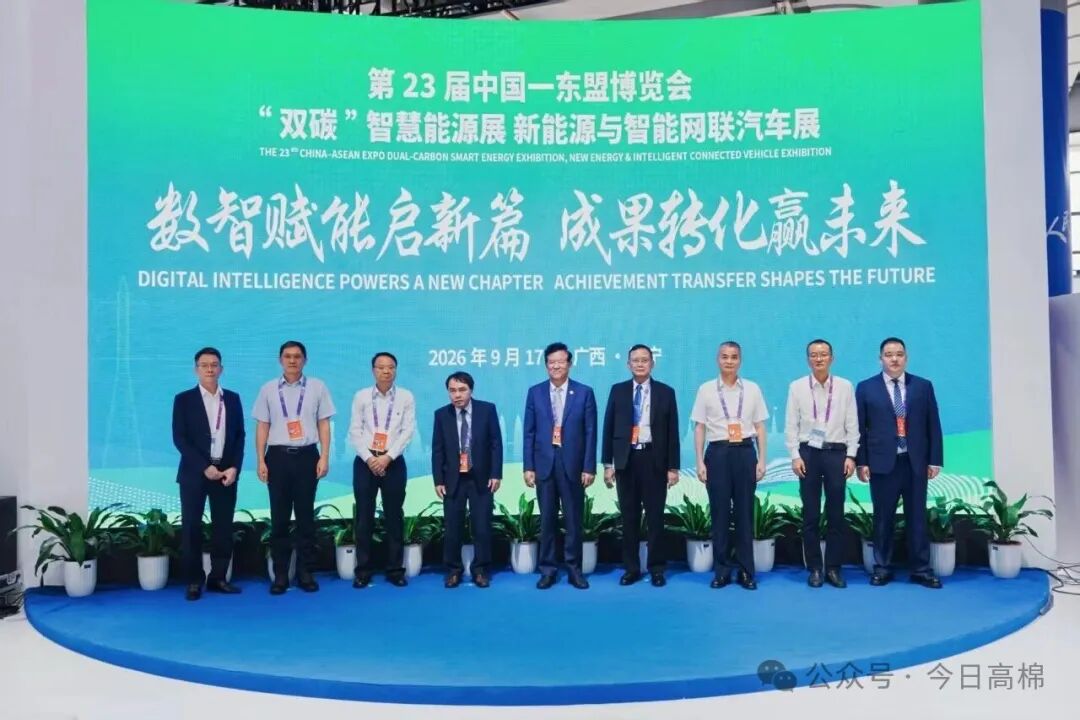
Yang Kun, Executive Vice Chairman and Party Secretary of the China Electricity Council, delivered an opening address. The ceremony was attended by senior officials and industry leaders, including Lao Vice Minister of Industry and Commerce Pouthawon Nanthavong, Lao Deputy Director General of the Energy Department Veosay Chantah, Myanmar Vice Minister of Electricity and Energy Aye Kyaw, and Vietnam Electricity Safety and Technical Department Deputy Director Chen Zhiyong. Representatives from major energy and automotive groups, including State Power Investment Corporation (SPIC) Guangxi Electric Power, China Huaneng Group Guangxi Branch, China Energy Guangxi Electric Power, Guangxi Automobile Group, SAIC-GM-Wuling, China Southern Power Grid, China Datang Corporation, and the World Energy Council, were also present.
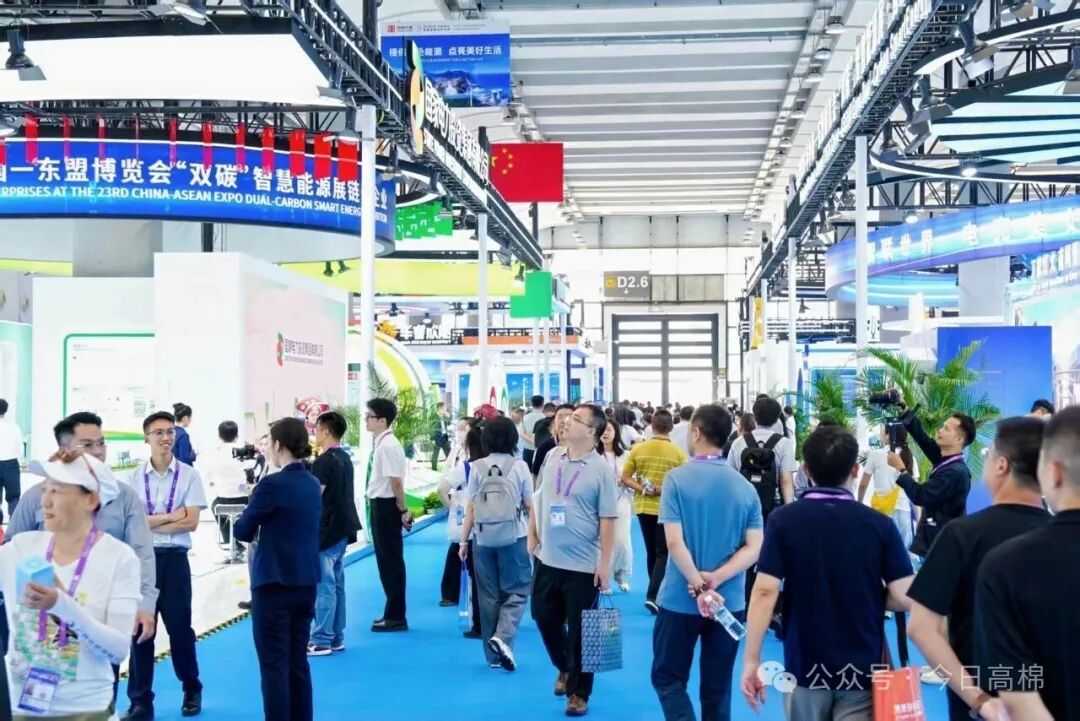
In his address, Yang noted that the global energy and transportation sectors are undergoing deep green transformations. Low-carbon transitions in power and the smart electrification of the automotive industry are critical paths toward fostering new quality productive forces and achieving sustainable development. With a solid foundation of energy and transport cooperation, China and ASEAN have constructed 16 cross-border interconnected transmission lines at or above 110 kV, achieving a cumulative power exchange exceeding 75 billion kWh, over 90% of which is green electricity. Following the signing of the Protocol to Upgrade the China-ASEAN Free Trade Area to Version 3.0, both sides will leverage institutional platforms like the China-ASEAN Clean Energy Cooperation Center to deepen practical cooperation in power systems, clean energy, energy storage, hydrogen, new energy vehicle supply chains, and charging infrastructure, while promoting green standard mutual recognition, technology sharing, project execution, and talent development.
A representative from the Ministry of Industry and Commerce of Laos highlighted Laos' strategic location in the heart of the Indochina Peninsula and the regional energy connectivity boosted by the China-Laos Railway. Possessing rich reserves of clean energy such as hydro, solar, and biomass, Laos is diversifying its energy structure and expanding investment open doors in renewable energy, energy storage, smart grids, and power transmission, welcoming foreign capital, technology, and management expertise to local markets.
Representing the China-ASEAN Young Leaders Growth Program, Zhang Dezhi, Deputy General Manager of China Huadian Guangxi Energy, and Shi Ying, Director of Planning and Development at China Energy Guangxi Electric Power, delivered remarks. China Huadian has operated in the ASEAN market for over two decades with tens of billions of yuan invested across dozens of power projects and an ASEAN headquarters established in Guangxi. Meanwhile, China Energy has leveraged mega-scale solar and wind power bases in desert regions to develop an integrated "power generation, desertification control, and ecological restoration" model, boosting vegetation coverage in photovoltaic zones from 0.5% to 28%. Both companies pledged to harness state-owned enterprise resources and youth initiatives to deepen cooperation in clean energy, digitalization, and technical standards.
During the launch segment, guests jointly inaugurated the exhibitions through a lighting ceremony themed "Gathering Power Together, Illuminating ASEAN."
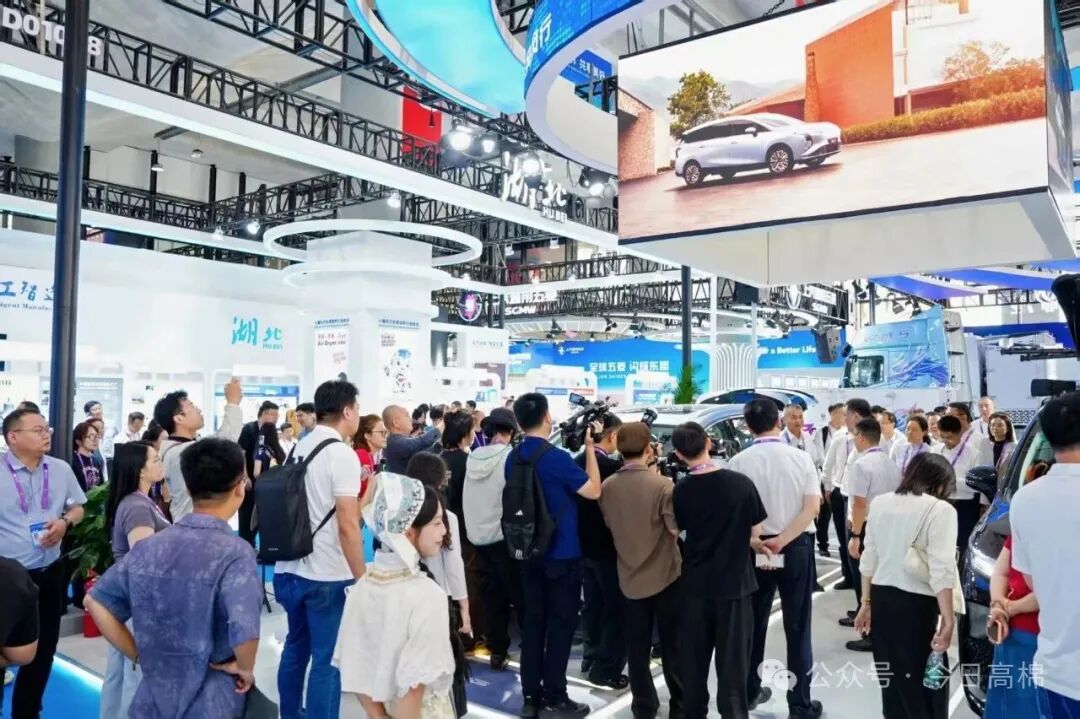
Following the ceremony, guests toured booths including China Huaneng, China Energy, China Huadian, China Southern Power Grid, the Lao National Pavilion, SPIC, China Datang, China General Nuclear Power Group (CGN), Gotion High-Tech, Guangxi Automobile Group, SAIC-GM-Wuling, and Dongfeng Liuzhou Motor.
The energy exhibition featured cutting-edge technological achievements in novel power systems, green transformation, and energy digitalization, showcasing China's self-developed third-generation Hualong One 2.0 nuclear unit, the Guohe One large advanced pressurized water reactor, and an integrated air-space-ground control platform for hydropower dams utilizing Beidou high-precision positioning and digital twin technologies. CGN also highlighted its 1,000 MW photovoltaic project in Laos as a benchmark of bilateral cooperation. In the automotive section, companies displayed new energy vehicles, power batteries, smart network components, and intelligent welding robots tailored for ASEAN markets.
The two thematic expos align with national dual-carbon goals and the Energy Security Strategy, aiming to accelerate the development of new power systems, promote green low-carbon transitions across China and ASEAN, and drive the deployment of sustainable technologies to benefit regional populations and bolster the China-ASEAN community with a shared future.
Co-sponsored by the business ministries of China and the 10 ASEAN countries together with the ASEAN Secretariat, and organized by the People's Government of Guangxi Zhuang Autonomous Region, CAEXPO is a premier national-level exposition serving as a platform for regional diplomacy and Belt and Road cooperation. The 23rd edition, themed "Sharing Opportunities from Version 3.0, Creating a Better Life Together," spans 170,000 square meters and forms part of the official celebrations marking the fifth anniversary of the China-ASEAN Comprehensive Strategic Partnership. In 2025, bilateral trade between China and ASEAN crossed $1 trillion for the first time, with cumulative two-way investment and Chinese engineering contract turnover both exceeding $515 billion.
评论0文明上网理性发言,请遵守《新闻评论服务协议》