
 东盟头条APP移动端
  APP下载
APP下载  移动wap端浏览
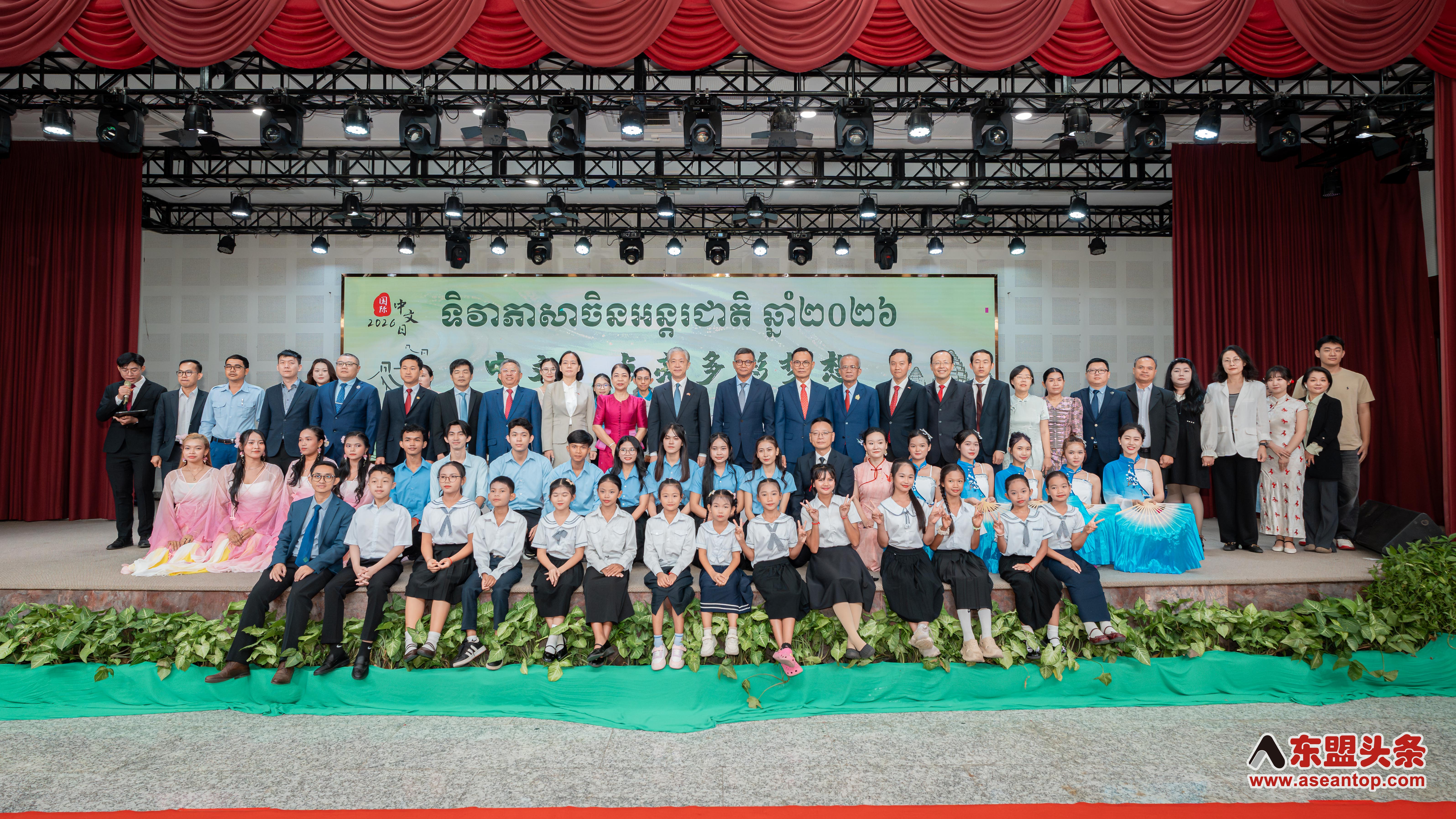
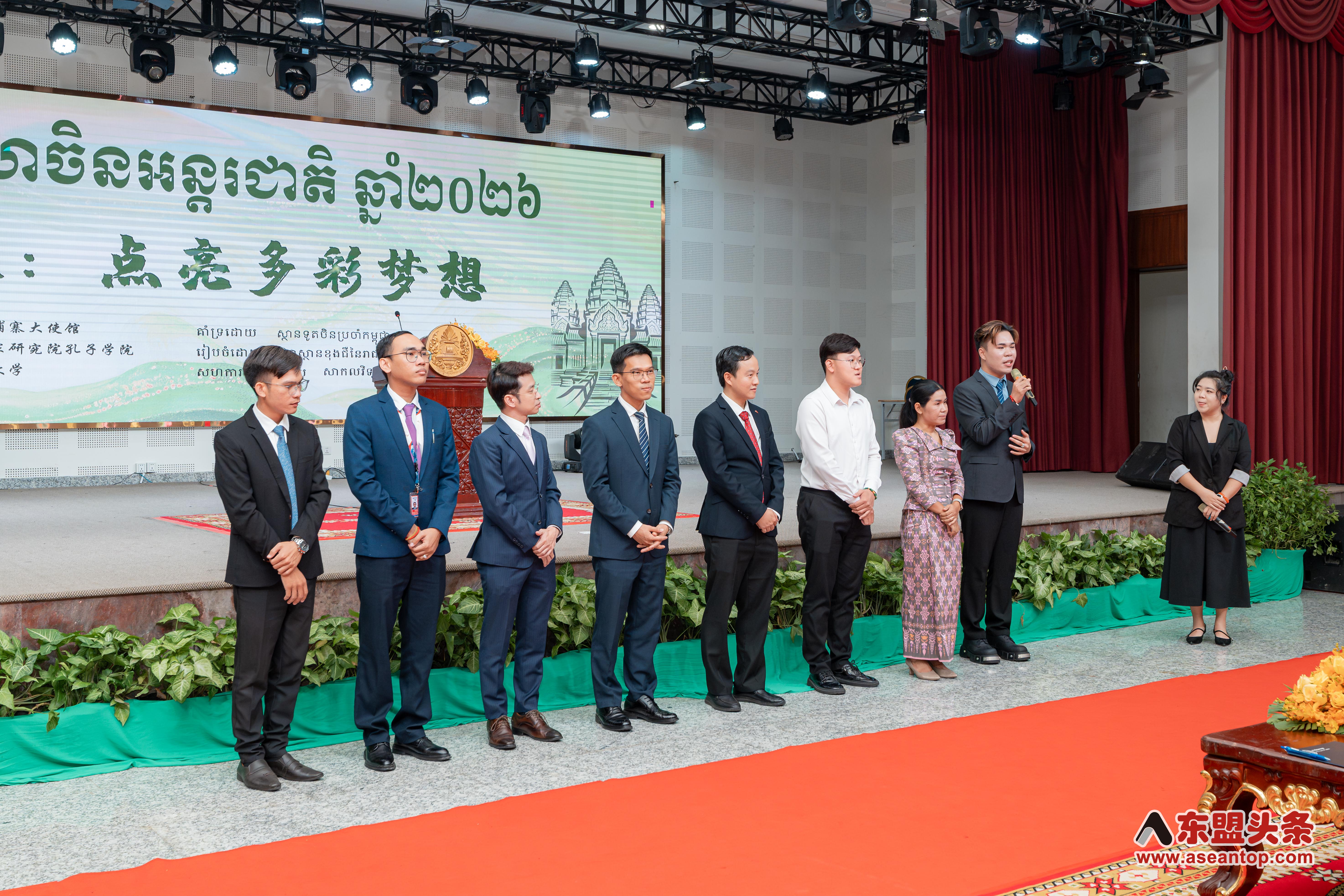
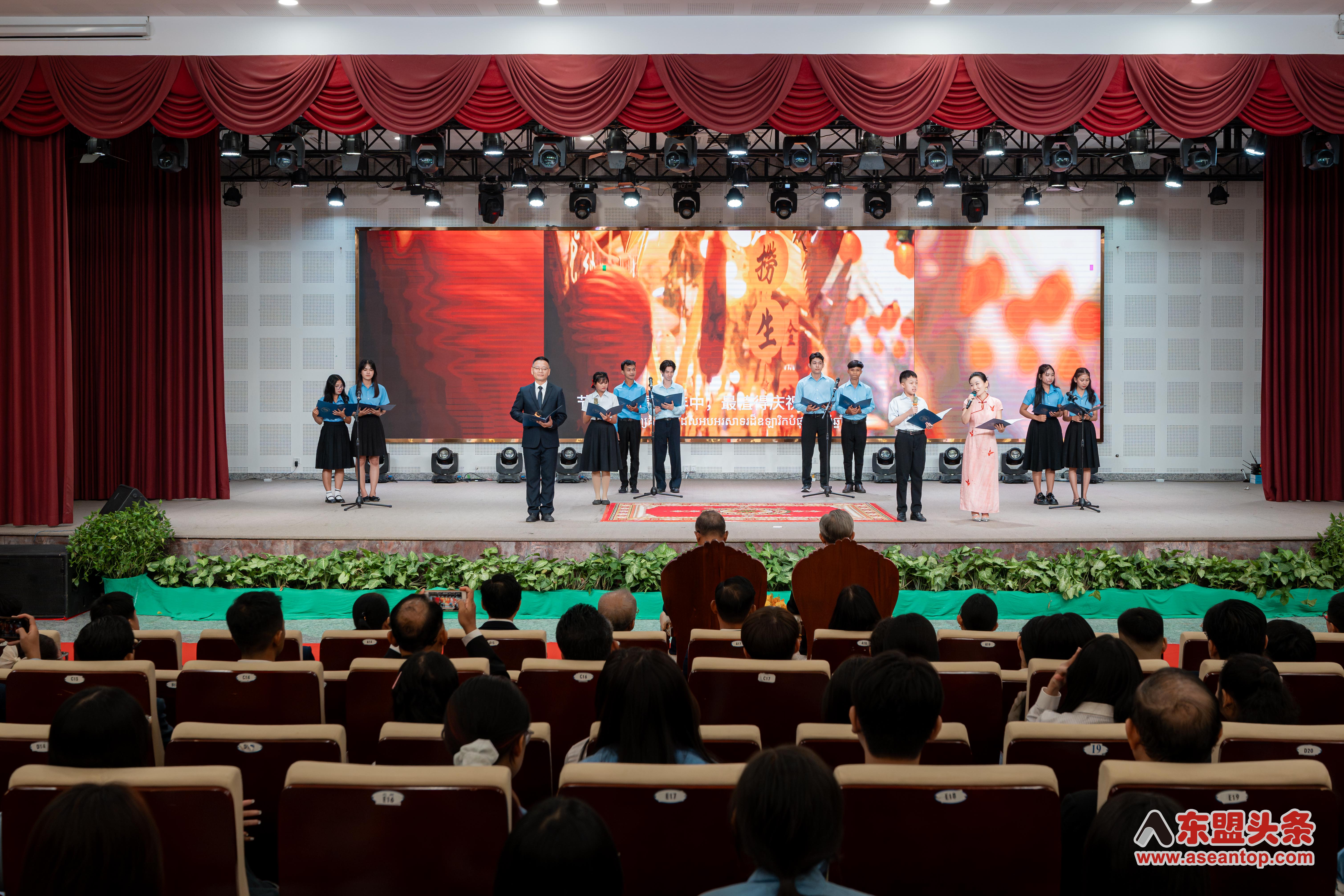
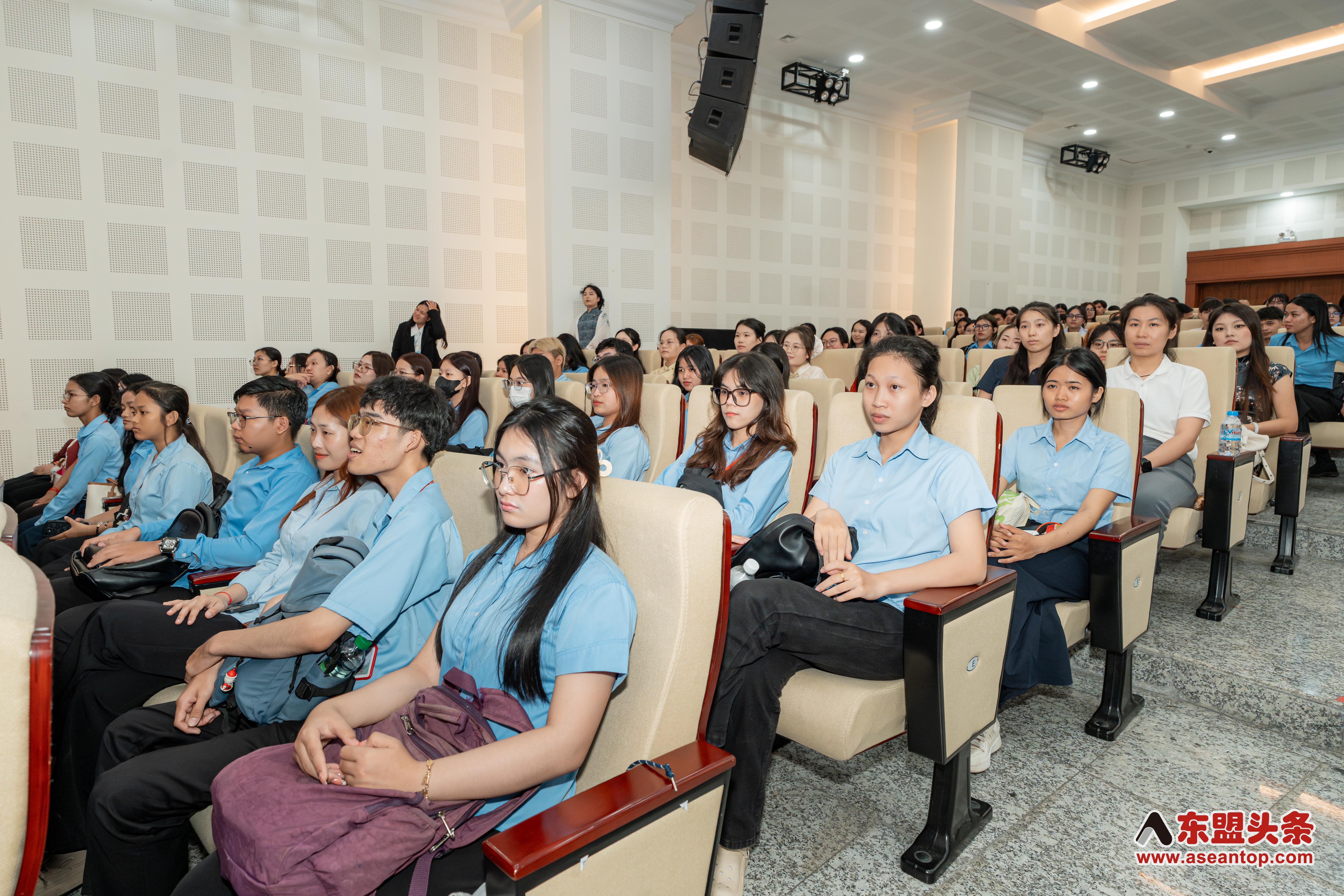
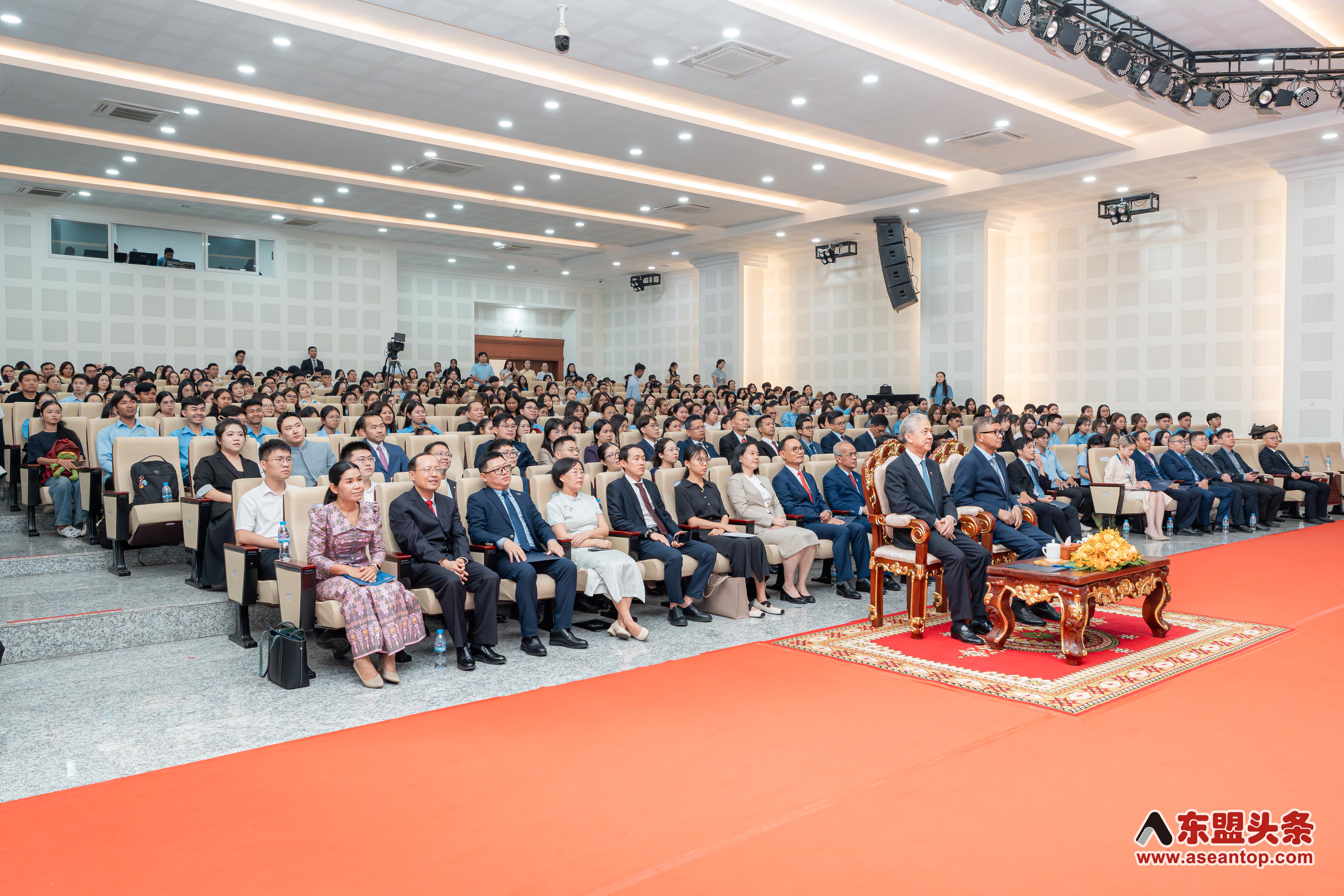
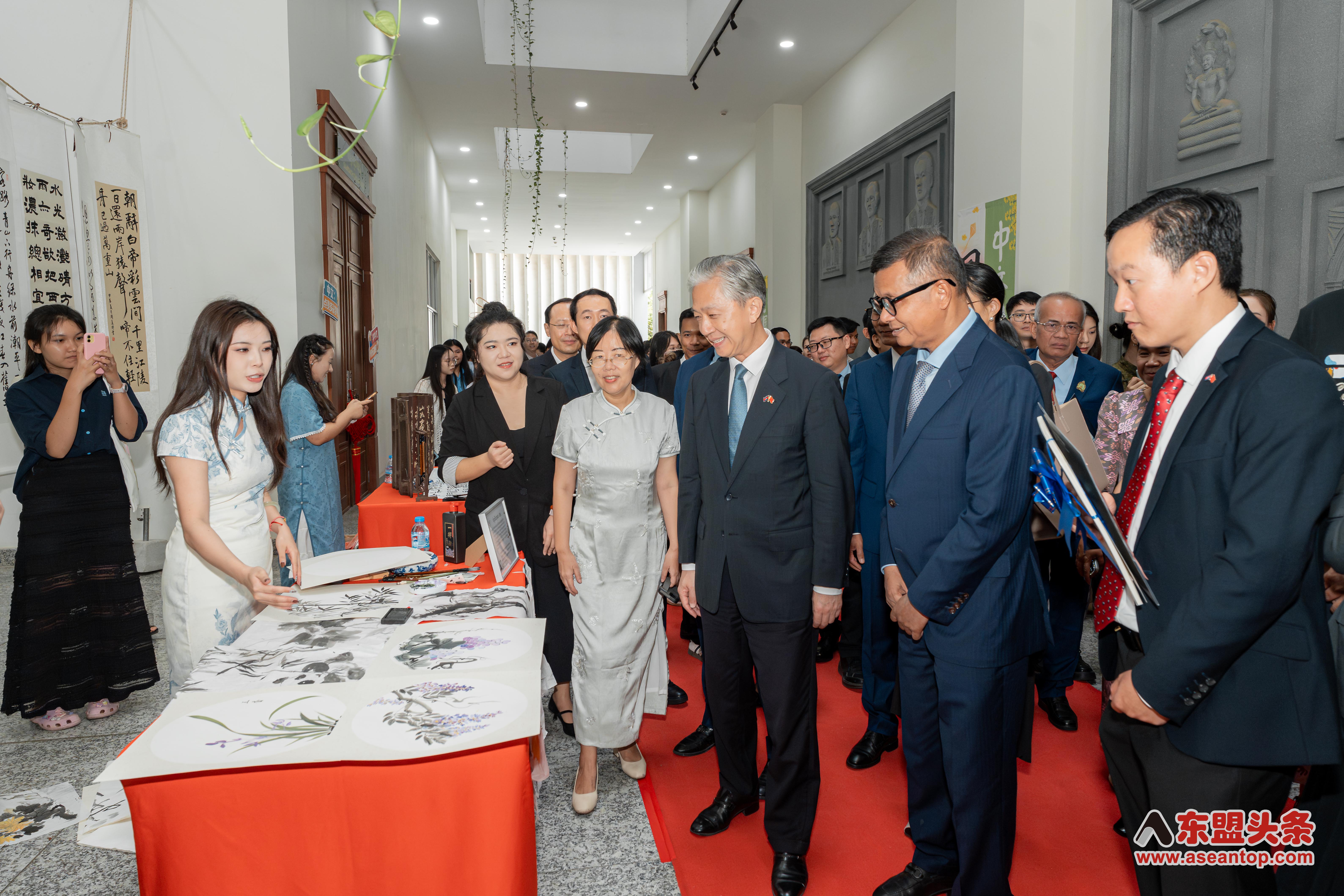
 ASEANTOP – PHNOM PENH, Cambodia – The International Chinese Language Day 2026, under the theme “Lighting Up Colorful Dream”, was successfully held at Cambodia Confucious Institute in the afternoon of April 20th, 2026, presided over by WANG WENBIN, Chinese Ambassador to the Kingdom of Cambodia along with HANG CHUON NARON, Cambodian Deputy Prime Minister and Minister of Education, Youth and Sports.
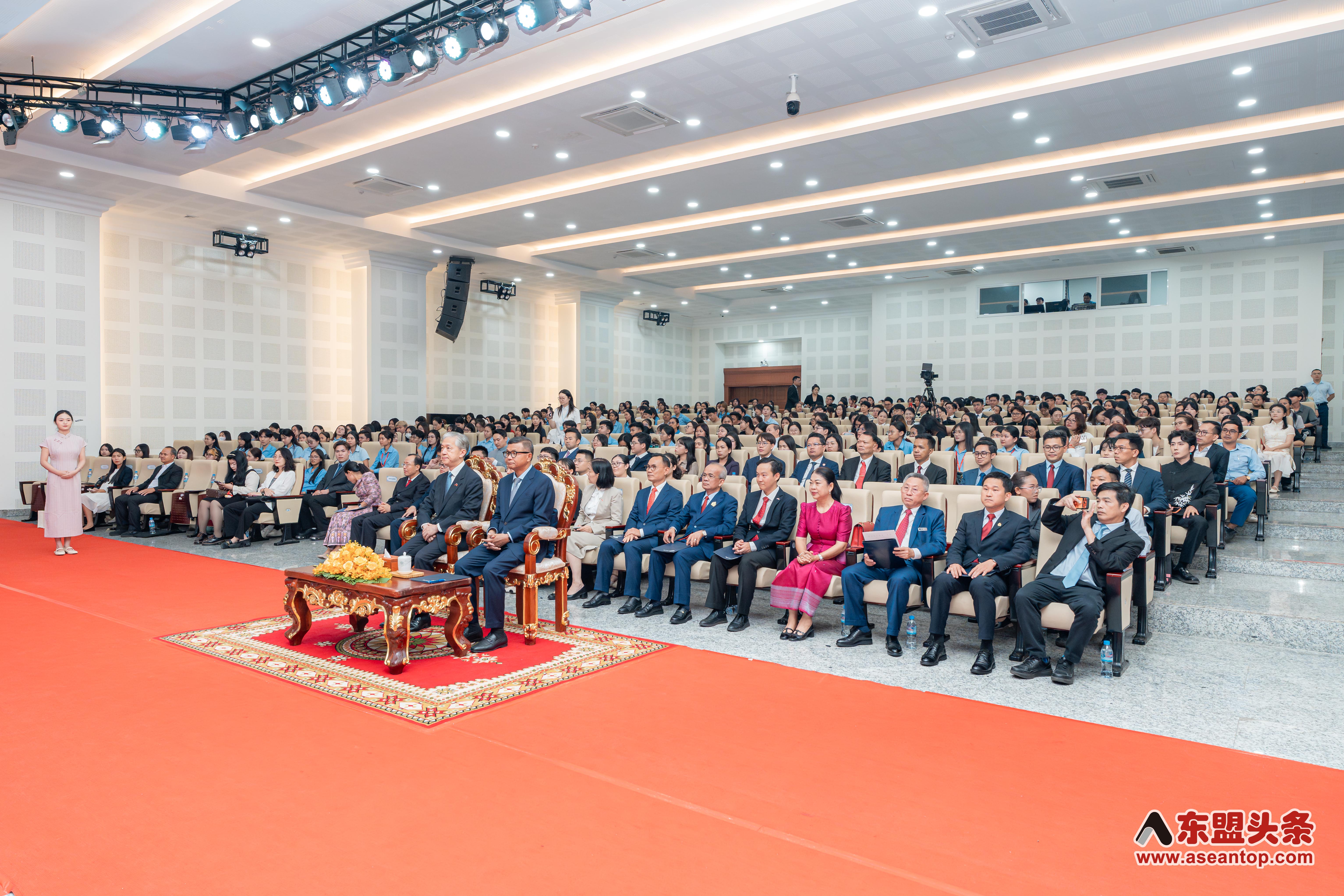
WANG WENBIN offered his warm congratulations on the successful hosting of the event. He noted that International Chinese Language Day embodies a deep respect and appreciation for the Chinese language, while demonstrating the profound significance of mutual learning between civilizations. Emphasizing that the foundation of the China-Cambodia friendship lies with the people—and its future with the youth—he affirmed that the Chinese Embassy in Cambodia will continue to collaborate with all partners. Their goal is to create more opportunities for Cambodian youth to learn Chinese, understand China, and build bridges of friendship between the two nations. He called for joint efforts to allow the "flower of the Chinese language" to bloom brilliantly in Cambodia, ensuring the flame of China-Cambodia friendship is passed down through generations.
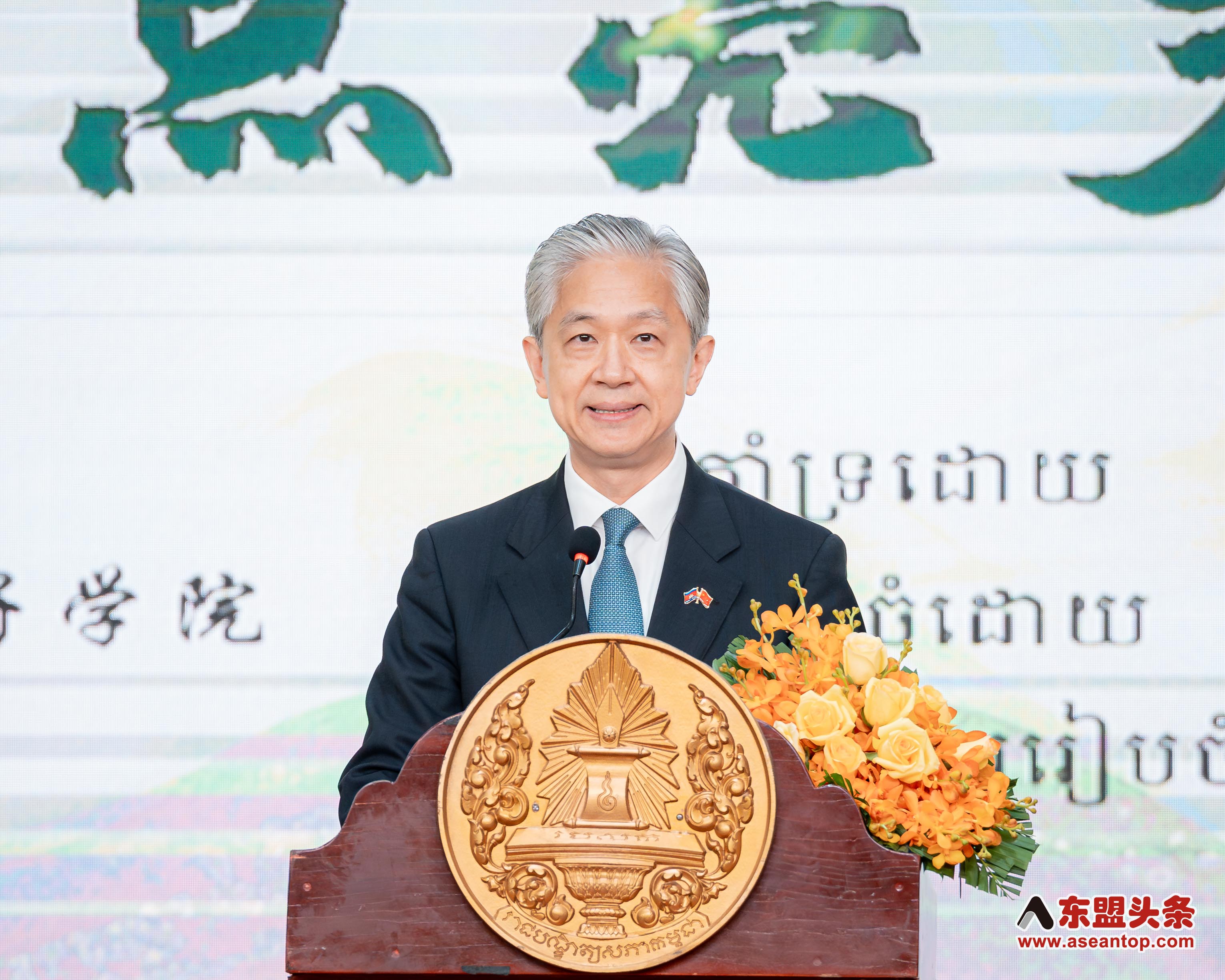
In his address, HANG CHUON NARON stated that Chinese is not only the most widely spoken language globally but also carries a rich history and profound cultural heritage. He expressed Cambodia’s gratitude to China for its long-term support in Chinese language education, teacher training, and the provision of scholarships. He encouraged Cambodian students to cherish these opportunities, master the language, and serve as vital links for promoting exchange and cooperation, contributing their energy to the building of a China-Cambodia community with a shared future.
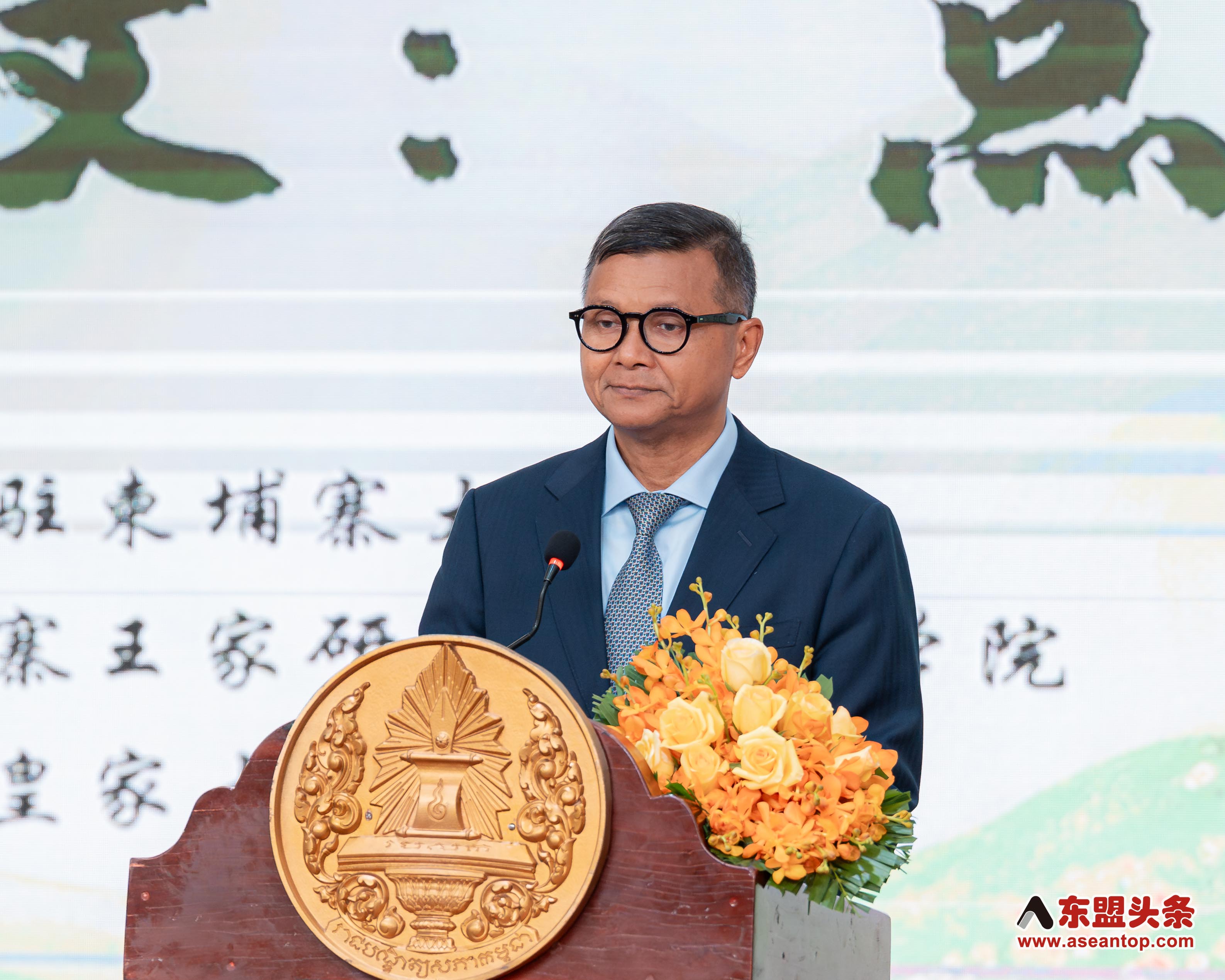
Dr. Oum Ravy, Vice President of the Royal University of Phnom Penh, added that as relations between the two countries deepen, students proficient in Chinese will find broader opportunities in the job market, international exchanges, and overseas studies. He expressed his hope that students would achieve academic success and leverage their skills to unlock new possibilities for their future development.
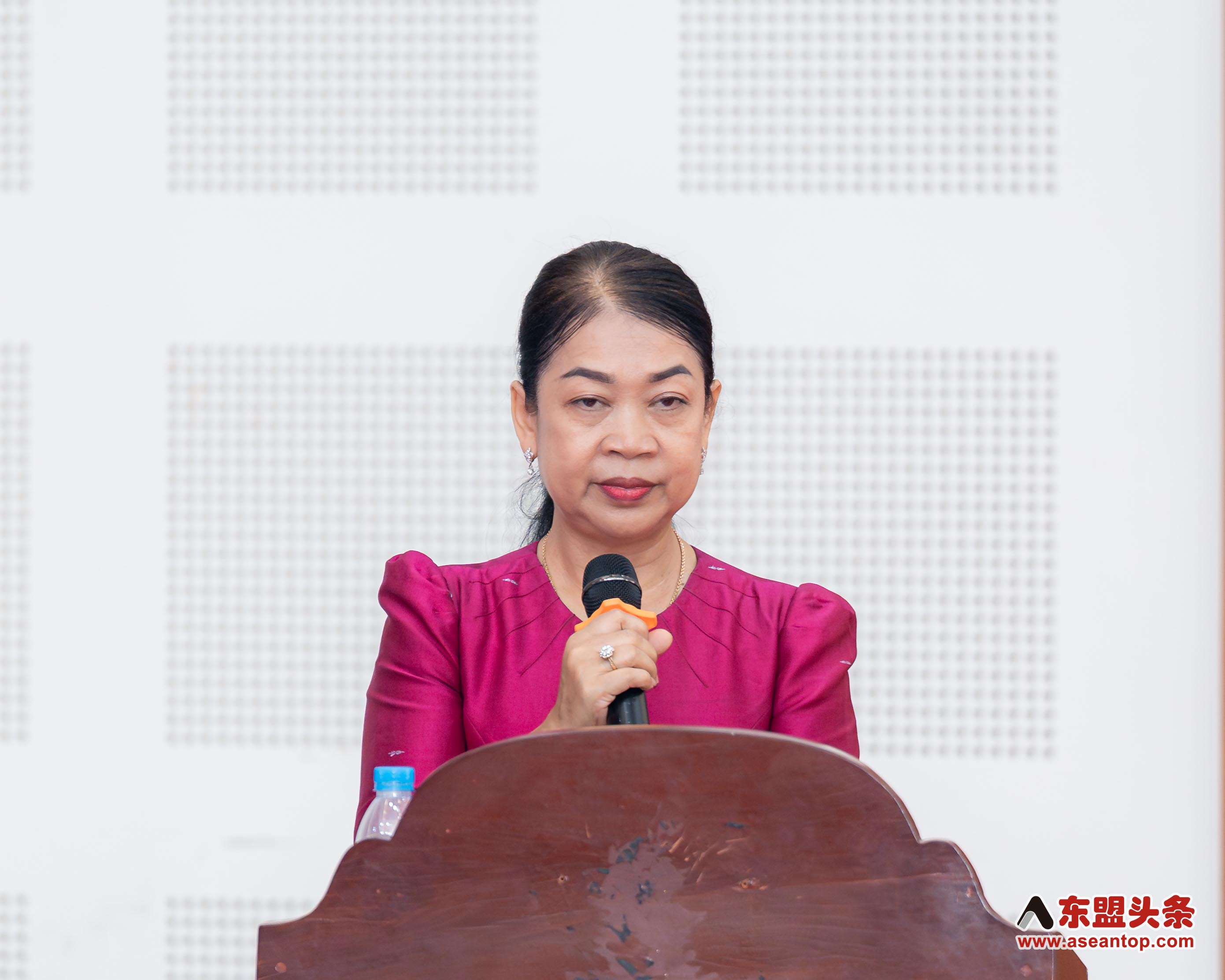
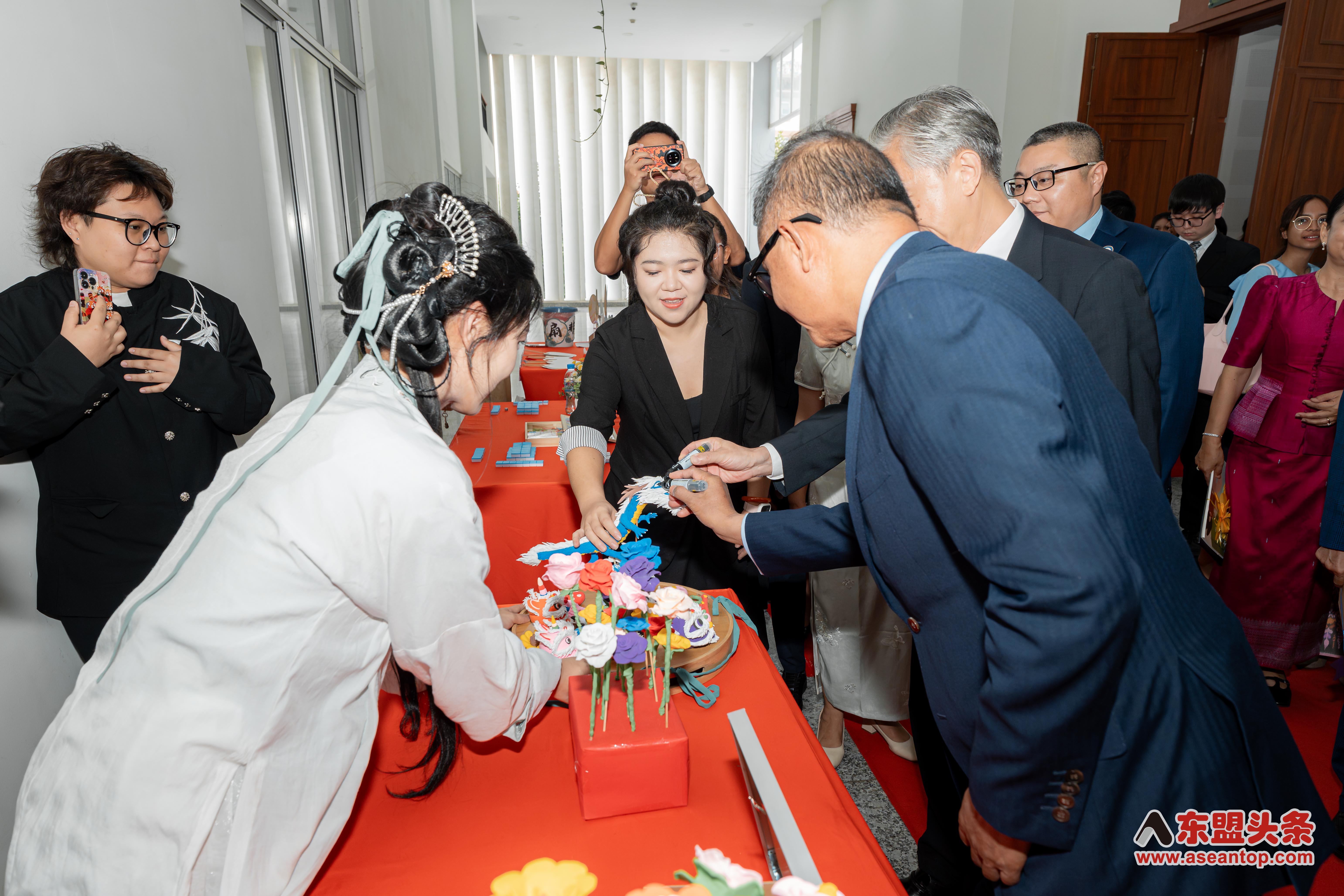
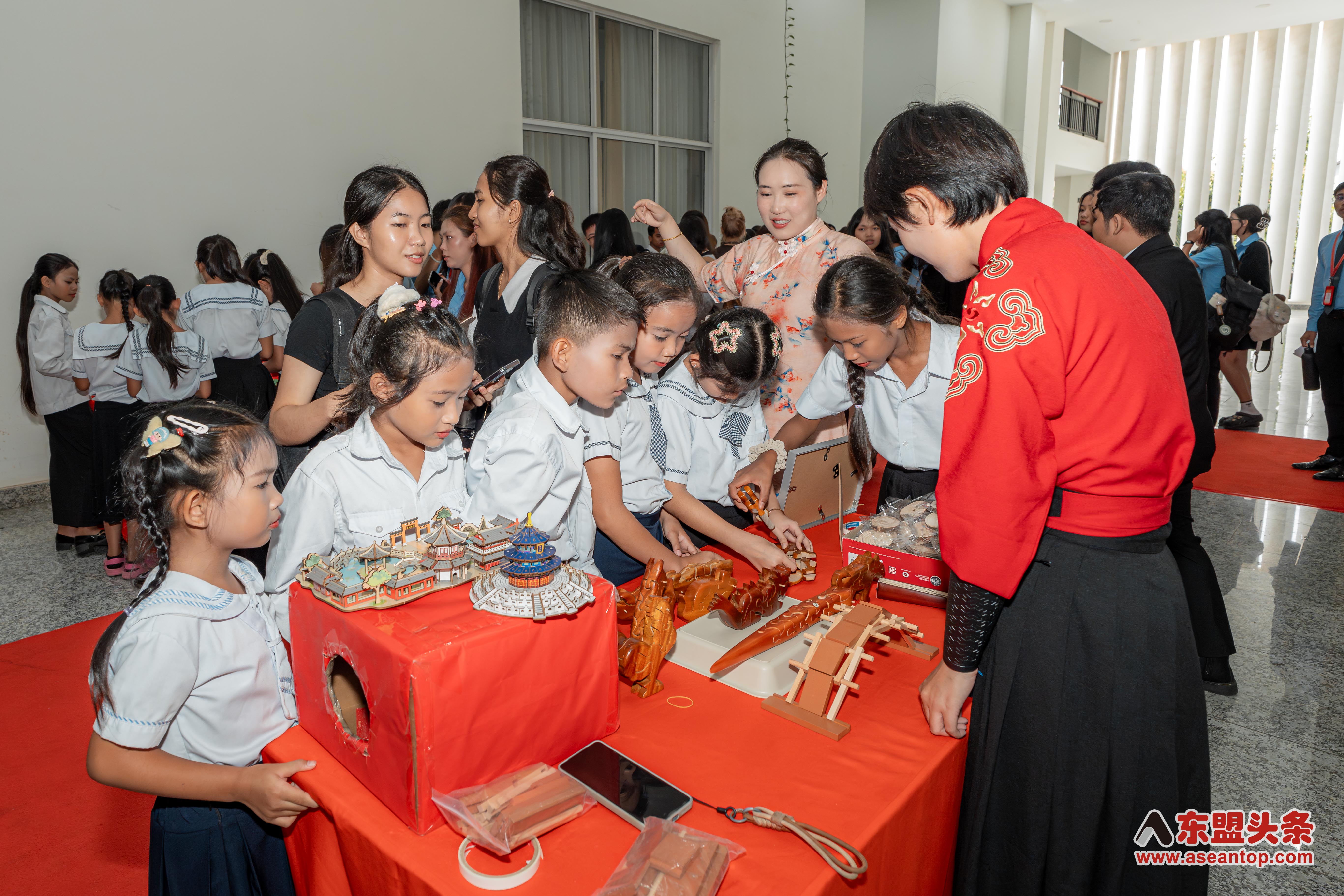
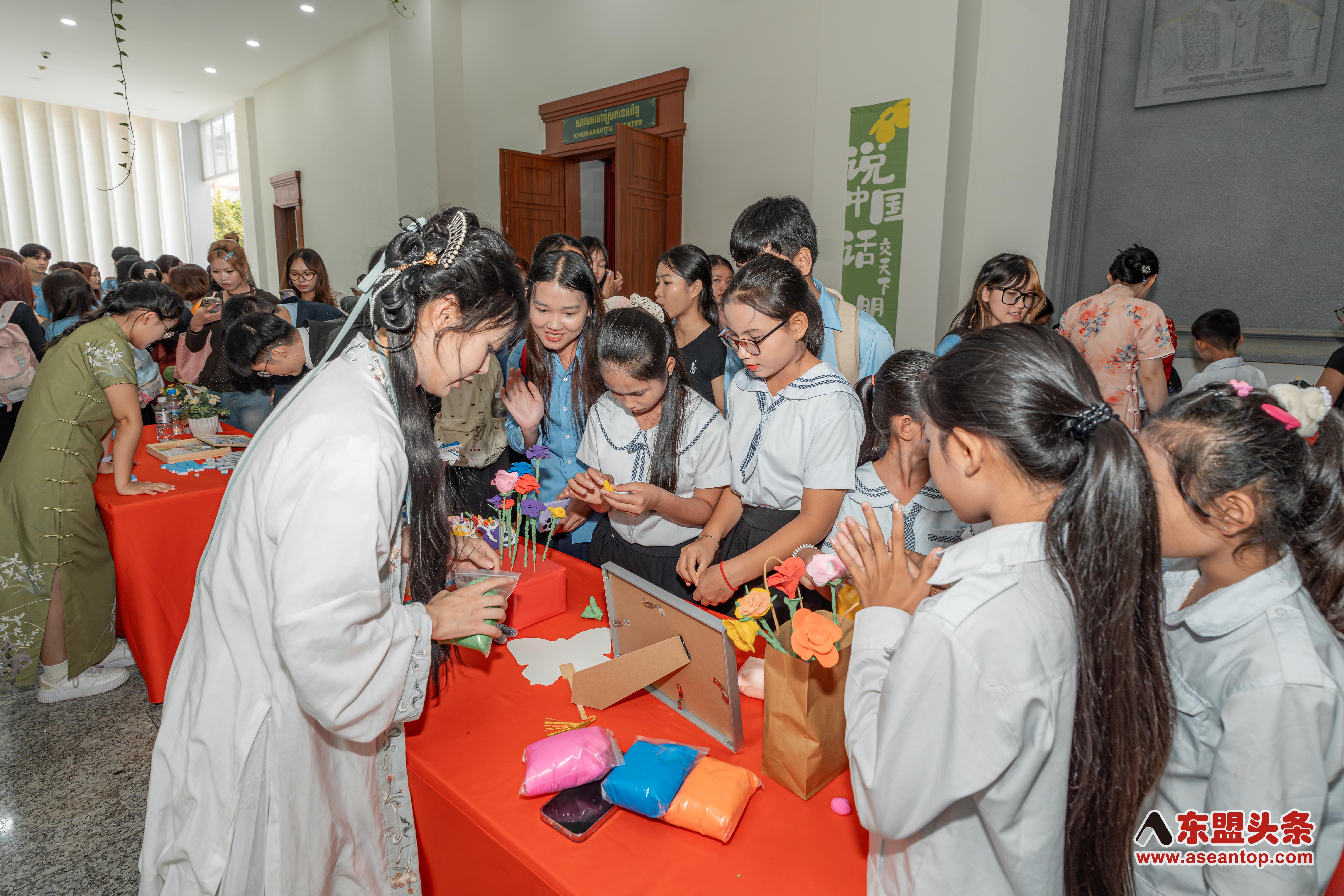
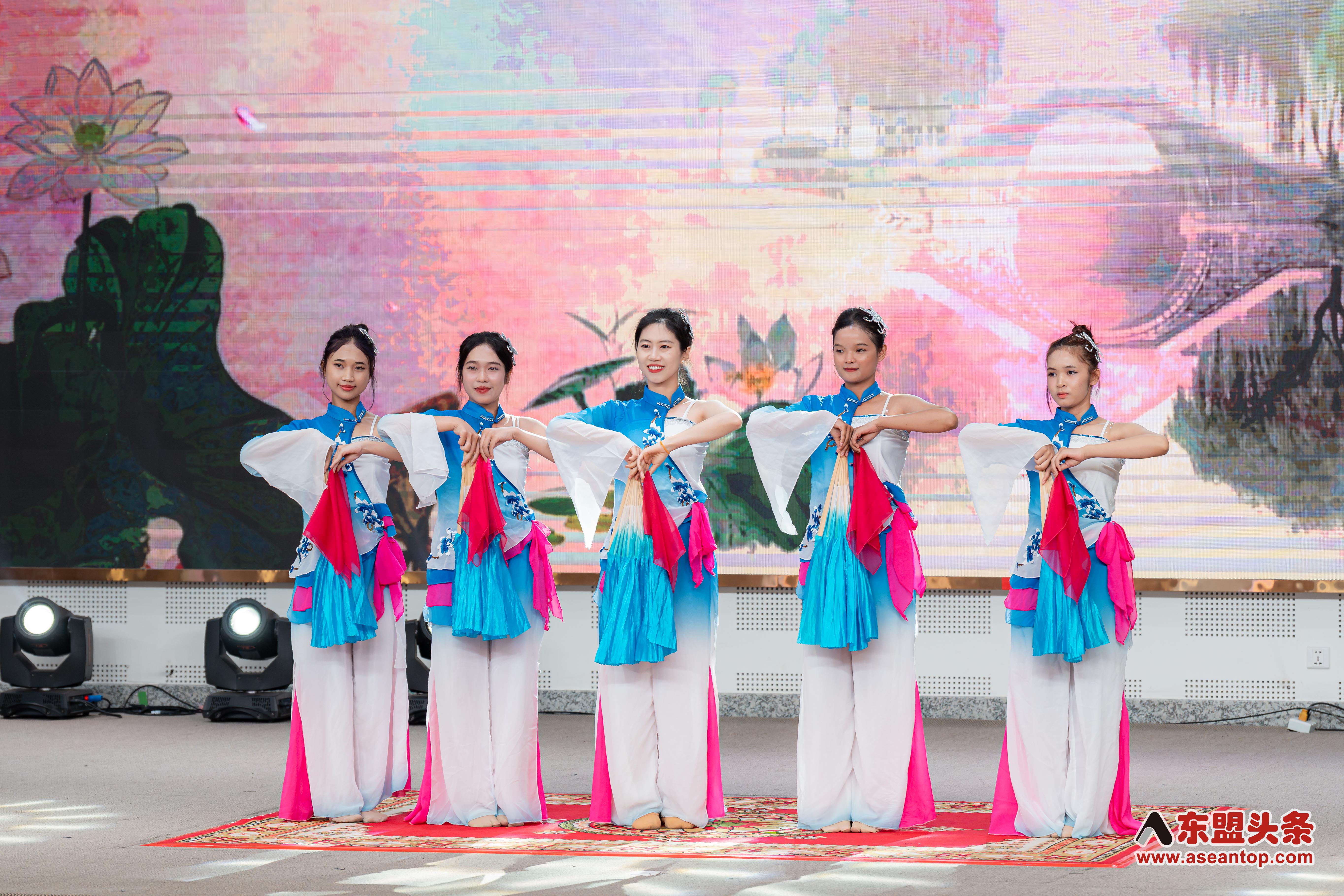
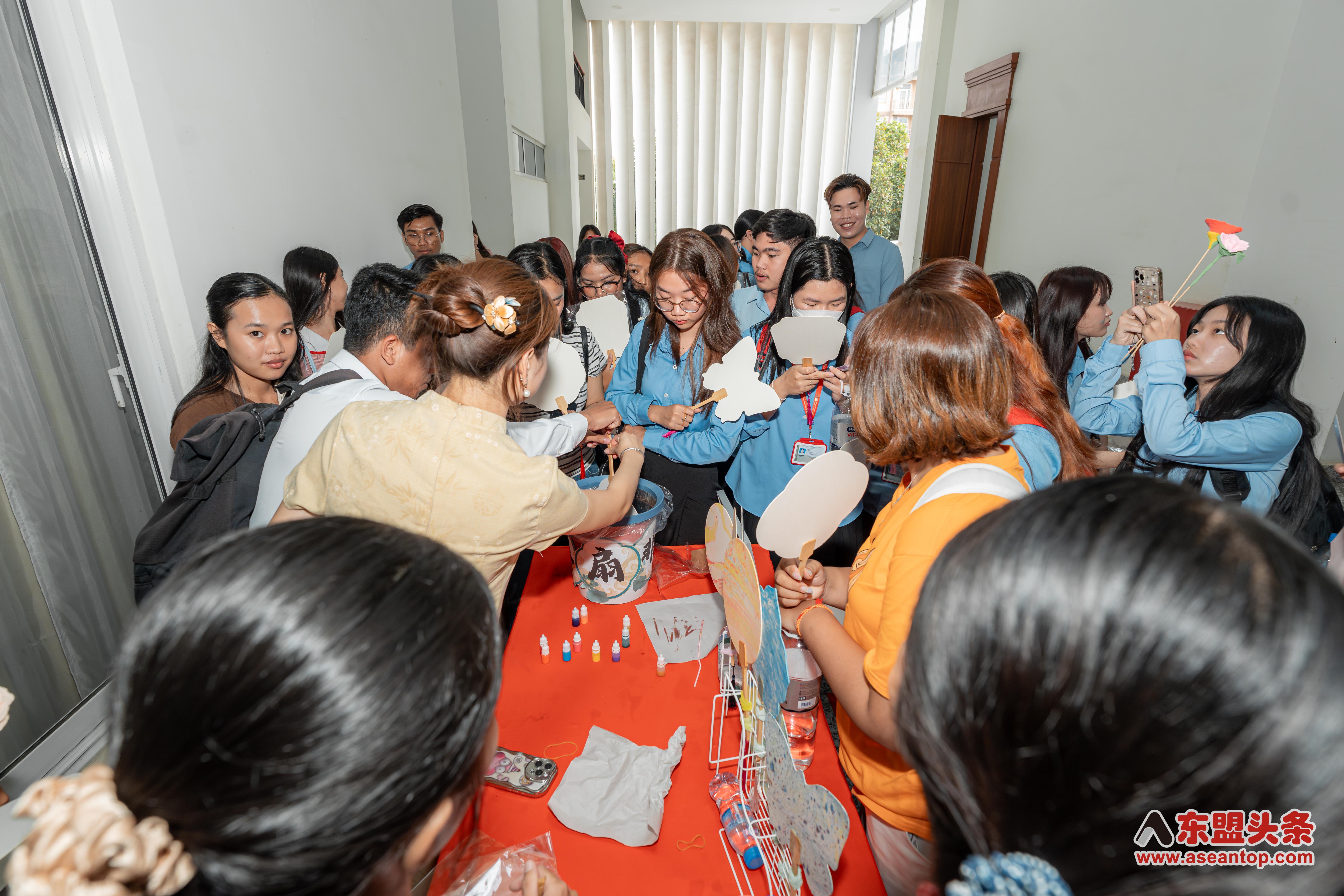
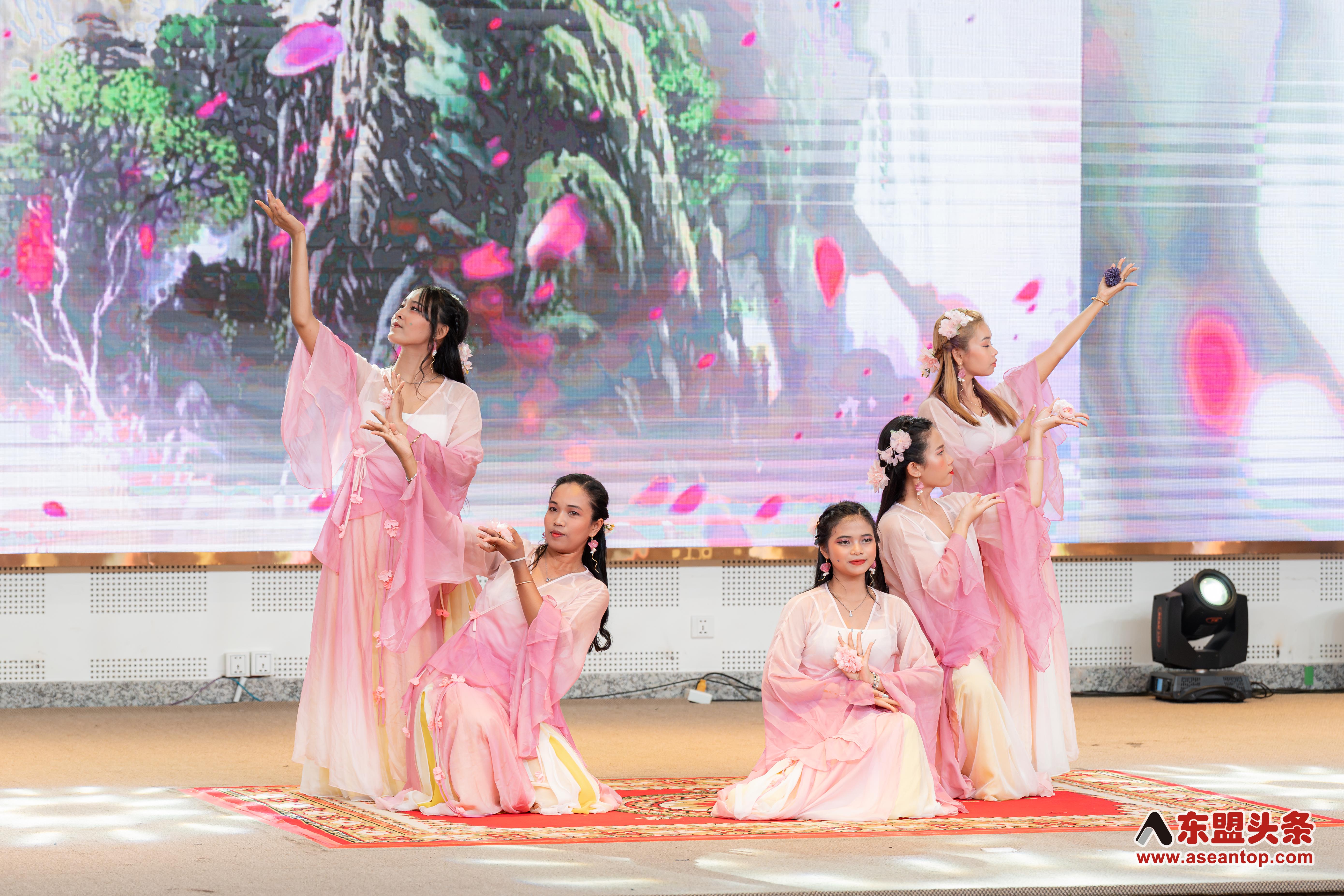
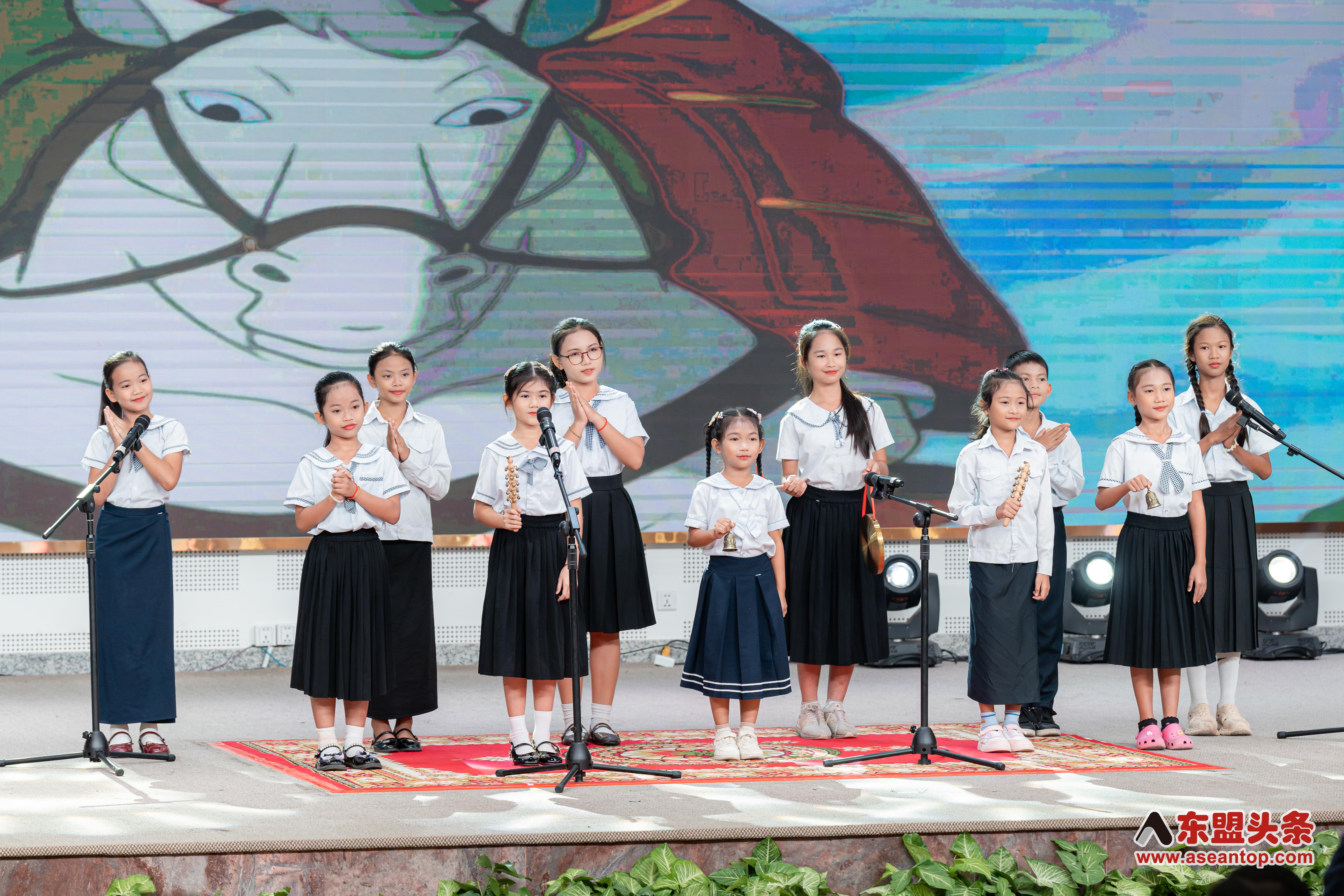
The event featured various cultural performances showcasing Chinese linguistic arts and Eastern aesthetics. The activities were divided into three main areas: traditional handicrafts, calligraphy and painting, and cultural immersion, allowing participants to experience the richness of traditional Chinese culture firsthand. By using language as a bond and culture as a bridge, this event bolsters people-to-people exchanges and injects new cultural vitality and youthful energy into the China-Cambodia partnership.
评论0文明上网理性发言,请遵守《新闻评论服务协议》